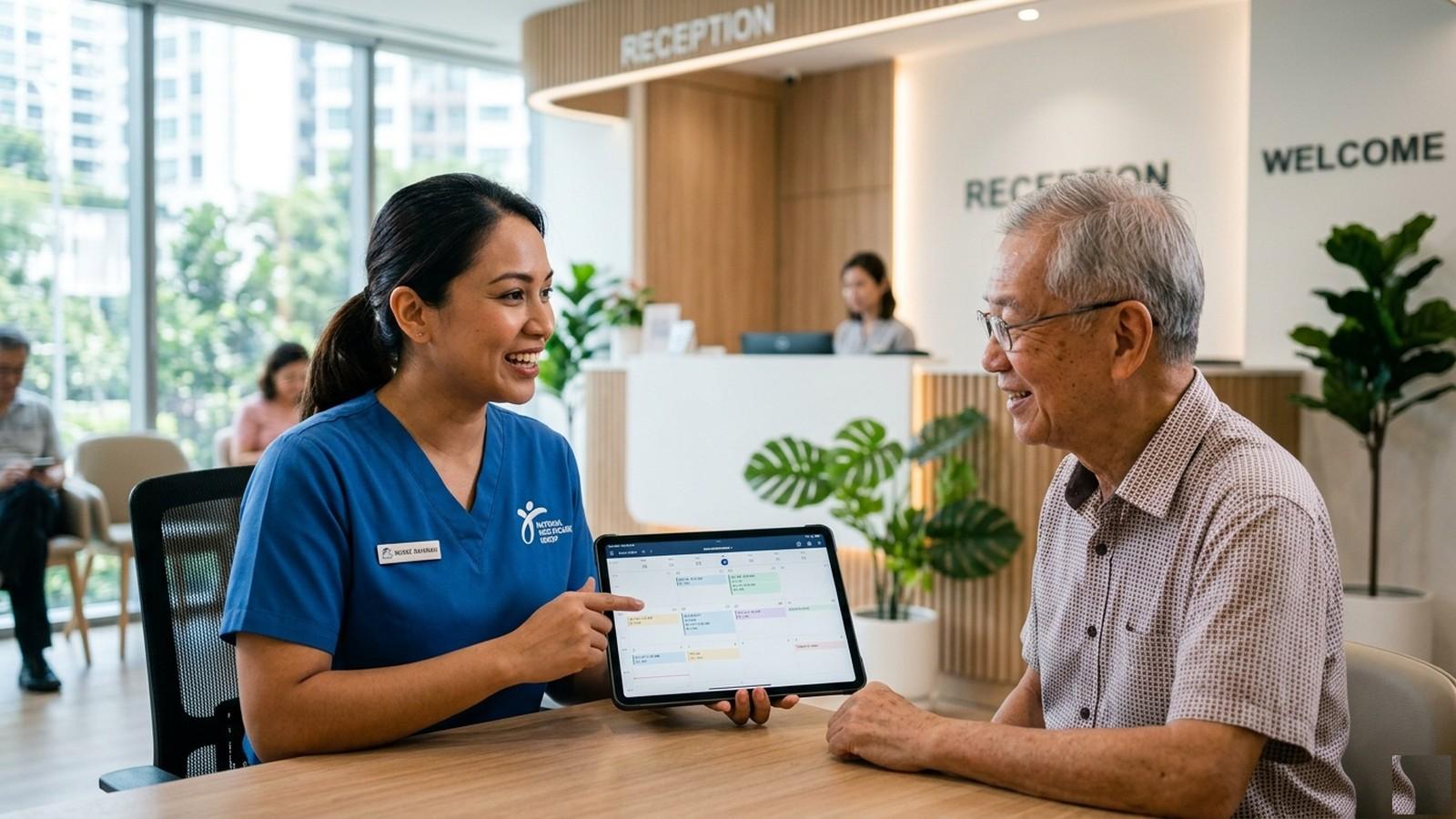
Missed appointments are a constant challenge in healthcare. They disrupt clinic schedules in Singapore and, more importantly, can delay essential care for patients. It's easy to see reminders as a simple logistical fix. But a well-designed communication strategy is a clinical tool, one that actively supports better health outcomes by keeping patients engaged in their own care. This isn't about just filling a calendar. It's about ensuring continuity.
The goal is to move from passive appointment-setting to active patient partnership. Thoughtful communication respects a patient's time and reinforces the importance of their upcoming visit. It builds a reliable bridge between consultations, which is where so much of health management happens.
The Science of Timely Reminders
Reminders work because they address basic human tendencies. People are busy. People forget. A simple prompt can be the nudge needed to translate intention into action. This is especially true for preventative care, like vaccinations, where the appointment isn't driven by an urgent symptom. The evidence here is quite clear. Multiple studies confirm that patient reminders are one of the most reliable ways to increase vaccination uptake, as highlighted in a review of evidence-based strategies published in Curr Opin Pediatr. The reminder itself cuts through the noise of daily life.
The content of the message matters, too. Beyond just stating the date and time, reminders can be a chance to provide brief, useful information that prepares a patient for their visit. For instance, a message can offer a link to pre-visit instructions or briefly explain the purpose of the follow-up. This approach can help reduce patient uncertainty or hesitancy. A systematic review in Vaccine found that multi-component interventions, which often include educational reminders, are effective in addressing these barriers to care. It transforms the message from a simple alert into a piece of supportive communication.
Beyond Appointments: Supporting Care
A truly effective strategy doesn't stop with appointment reminders. The same principles apply to other critical aspects of ongoing care. Think about reminders for prescription refills, prompts to schedule necessary blood tests before a check-up, or alerts for annual health screenings. For patients managing chronic conditions, these touchpoints are indispensable. They help maintain medication adherence and ensure the clinical team has the data they need for the next consultation. This isn't just theory. It's a proven system.
Implementing structured communication strategies has a measurable effect on patient outcomes. A comprehensive systematic review and meta-analysis published in Implement Sci demonstrated that well-defined implementation strategies in nursing significantly improve both practice and patient results. Patient reminders are a key part of this. They are a simple, scalable intervention that provides a direct line of support, reinforcing the care plan between visits and preventing small gaps from turning into significant health problems.
Designing an Effective Message
The best reminder is clear, concise, and actionable. It should contain all the necessary information without being overwhelming. Start with the basics: patient name, appointment date and time, the doctor's name, and the clinic's location. In Singapore, including a specific clinic name and address is key, especially within a large polyclinic or hospital.
The most important part is the call to action. Make it incredibly easy for the patient to confirm, cancel, or reschedule. A simple reply of 'YES' to confirm or a direct phone number to call for changes removes friction. Don't make the patient search for contact information. The goal is to get a response, and simplicity is the fastest way there.
Choosing the Right Channel
Different patients prefer different communication methods. A multi-channel approach often works best. SMS is the default for many clinics in Singapore because it's fast, direct, and has high open rates. It's perfect for short, direct reminders. Email can be used for more detailed pre-visit information or for less urgent communications.
For older patients who may not be comfortable with digital messaging, or for very important appointments, a personal phone call remains the gold standard. It’s resource-intensive, but its effectiveness is unmatched. Many systems now use an automated call for the first reminder, followed by a personal call from clinic staff if there's no confirmation. The key is flexibility and offering patients a choice where possible.
How many reminders are too many?
There's a balance to strike. Most clinics find a sequence of two reminders works well without becoming annoying. For example, an initial reminder sent a week before the appointment and a second, shorter one sent 24 to 48 hours prior is a common and effective cadence.
What information must be included?
Always include the non-negotiables: the patient's name, the exact date and time, the name of the doctor or service, and the full clinic address. Crucially, provide a very clear and simple way to confirm or reschedule the appointment.
Do automated reminders actually work?
Yes, they do. Large-scale evidence, particularly from public health initiatives like vaccination campaigns, shows that automated reminders significantly improve attendance and adherence rates. They are a reliable and cost-effective tool for any clinical practice.
A patient reminder strategy is not just an administrative function; it's a clinical one. When designed with clear, evidence-based principles, it becomes a powerful tool that supports patient engagement and directly contributes to better, more consistent health outcomes.