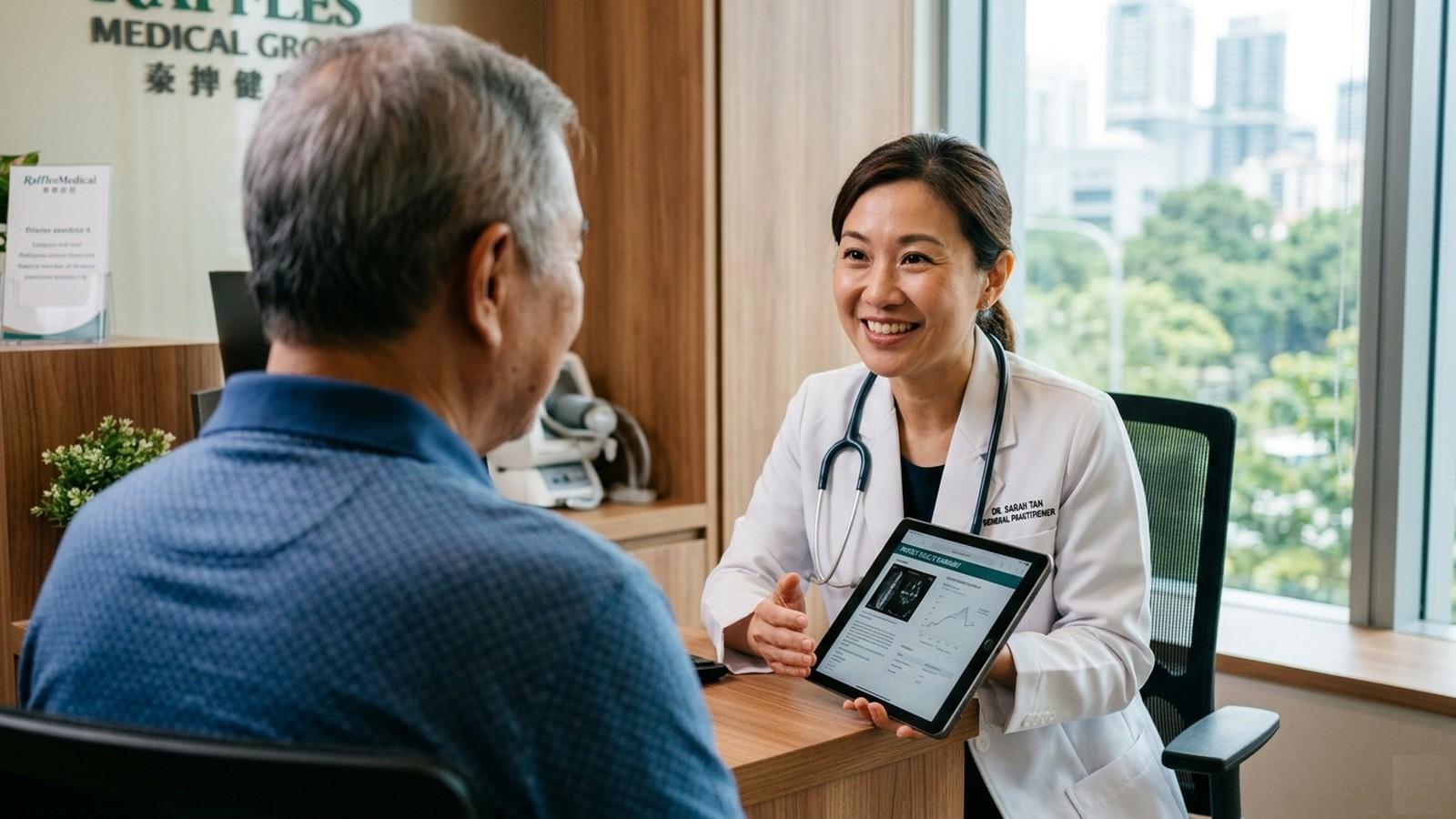
The consultation ends, a care plan is set, and the patient goes home. But what happens between that visit and the next one? For busy clinics in Singapore, this interval period represents a significant clinical challenge. It's often unstructured, relying on manual phone calls or hoping patients will report new symptoms. Patient follow-up software is changing this dynamic. It creates a systematic communication channel, turning a passive waiting period into an active phase of monitoring and care.
This isn't about constant contact. It's about timely, relevant information exchange that helps clinical teams manage patient populations safely and efficiently, ensuring that subtle but important changes in a patient's condition are not missed.
Why Between-Visit Experience Matters
The time after a procedure or diagnosis is not empty space. It's when recovery succeeds or fails, when medication side effects appear, and when complications can arise. Traditional follow-up methods are often inconsistent. A missed phone call or a delayed patient report can have serious consequences. Structured follow-up systems provide a safety net. They automate check-ins based on clinical protocols, collecting patient-reported data on symptoms, recovery milestones, or specific red flags. This information gives clinicians a clear view of the patient's status without overwhelming them with unnecessary noise. Patient logs provide valuable context for the care team, but they never replace formal physician assessments or diagnostic examinations.
Evidence for Timely Intervention
Clinical guidelines for managing acute conditions show just how critical timing is. For serious infections like acute cholangitis, management depends on rapid assessment and intervention according to clear protocols. As a study published in J Hepatobiliary Pancreat Sci outlining the Tokyo Guidelines 2018 demonstrates, patient outcomes are tied to following a structured flowchart. Follow-up software can operationalize these flowcharts post-discharge, prompting patients to report specific warning signs like fever or worsening pain, which can trigger an immediate clinical review. This systematizes the process of catching complications early.
The same principle applies to long-term monitoring for incidental findings. Consider the management of lung nodules, which requires scheduled surveillance over months or even years to monitor for changes. It's a major challenge to ensure patients complete this entire follow-up schedule. According to current guidelines detailed in a study published in Rofo, adherence to this surveillance imaging schedule is key to early detection if a nodule turns out to be malignant. Software automates these reminders for both the patient and the clinic, dramatically reducing the risk of a patient being lost to follow-up.
Boosting Patient Self-Efficacy
Effective follow-up isn't just surveillance; it's also about patient engagement. When patients feel more confident and capable of managing their own health, outcomes often improve. This concept, known as self-efficacy, is a powerful factor in recovery. A systematic review focusing on stroke rehabilitation found that interventions designed to improve patient self-efficacy led to better functional outcomes, as shown by clinical trial data in Top Stroke Rehabil. Patient follow-up software contributes directly to this. By providing a simple, structured way to report progress and receive educational prompts, these systems give patients a tangible role in their own care. They learn what to watch for and feel more connected to their care team, which can build their confidence.
Automating Clinical Pathways
In practice, this technology translates complex medical guidelines into simple, automated workflows. A patient discharged after gallbladder surgery doesn't need to remember every possible warning sign. The system can send a message on day three post-op: “Are you experiencing any fever, yellowing of the skin, or severe abdominal pain? Please answer YES or NO.” A 'YES' response can automatically flag the patient's file for a nurse to call back within the hour. It's a simple but effective way to ensure protocols are followed consistently for every single patient.
Closing the Loop on Findings
This system also solves a major administrative and safety problem: managing follow-ups for diagnostic findings. In a busy Singaporean specialist centre, hundreds of scans are performed daily. When an incidental but potentially significant finding like a small pulmonary nodule is identified, ensuring the recommended six-month follow-up scan actually happens is a logistical hurdle. Software removes the risk of human error. The follow-up plan is entered once, and the system handles the patient reminders, appointment scheduling prompts, and internal alerts to the clinical team. This creates a reliable closed-loop system where important findings don't fall through the cracks.
Does this replace my doctor?
Absolutely not. It's a communication tool that helps your doctor and their team get a better picture of your health between visits. The information you provide helps them make more informed decisions during your next consultation. It doesn't make a diagnosis and never replaces clinical judgment.
Is my health data secure?
Professional healthcare software used in Singapore must comply with the Personal Data Protection Act (PDPA) and other strict health data regulations. These platforms use encryption and secure servers to protect your information, ensuring it's only accessible to your authorized clinical team.
What if I miss a check-in?
Most systems are designed with back-ups. You'll likely receive a few reminders. For higher-risk conditions, if you don't respond after several prompts, the system will typically alert a nurse or clinic coordinator to make a direct phone call to check on you.
Ultimately, patient follow-up software bridges the gap in modern healthcare. It uses simple technology to ensure that care is continuous, not just episodic, making the period between appointments safer and more data-driven for both patients and clinicians.