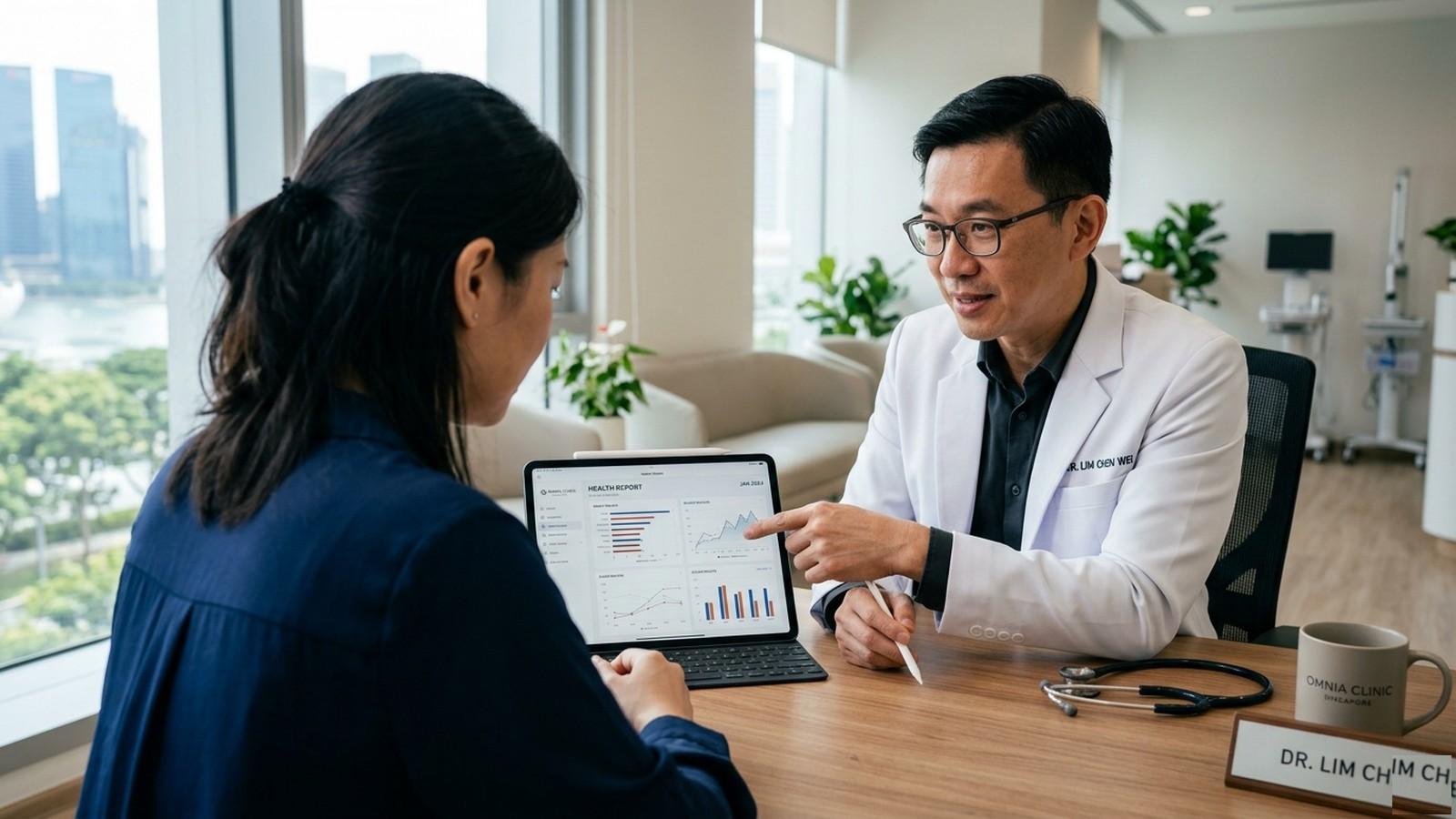
The traditional model of healthcare often feels disconnected. A patient sees their doctor, receives instructions, and then manages on their own until the next appointment weeks or months later. What happens in that interval is largely a black box. A patient engagement platform for medical practices is designed to open that box. It's a secure digital tool, usually a smartphone app or web portal, that creates a continuous connection between the patient and their care team. This isn't about 24/7 access. It's about structured, meaningful communication that improves health outcomes.
For clinics in Singapore, this technology helps shift care from being episodic to continuous. It allows for consistent monitoring and support, which is particularly important for managing chronic conditions or guiding a patient's recovery after a hospital stay. The goal is simple: capture better information and provide timely support, all without adding unnecessary burdens to the patient or the clinic staff.
Bridging Gaps in Patient Data
So much of a person's health story unfolds outside the clinic. A single blood pressure reading during a visit, for example, doesn't show the fluctuations that happen throughout the week. Patient-reported data closes this information gap. Engagement platforms provide a simple way for patients to log their daily vitals, track symptoms, or note medication side effects. This creates a longitudinal record of their health. That's a huge step forward. Clinicians can see trends over time instead of relying on memory or a single data point. This approach is supported by a growing body of evidence showing how remote monitoring and communication expands access to care, as highlighted in a study published in Cureus. The platform turns subjective patient feelings into structured data that a clinical team can actually use to make better decisions. It's the difference between a patient saying "I felt unwell last month" and a doctor seeing a clear chart of rising symptom scores that coincided with a medication change.
Automating Clinical Workflows
These platforms aren't just for patients; they bring significant operational benefits to the medical practice. They automate routine tasks. Think about appointment reminders, pre-visit questionnaires, or the distribution of educational materials. Automating these frees up administrative staff to focus on more complex patient needs. This efficiency is critical in a busy practice. Furthermore, emerging technologies are making these platforms even smarter. As a study published in Front Public Health explains, artificial intelligence is being integrated into clinical practice to help manage workloads and personalize care. An engagement platform might use simple AI to sort patient messages, flagging urgent issues for immediate review while providing automated answers to common questions. This helps the clinical team prioritize their attention where it's needed most.
Supporting Critical Care Transitions
One of the most vulnerable times for a patient is the transition from hospital to home. It's a period filled with new medications, new instructions, and high anxiety. A patient engagement platform can be a lifeline here. It provides a structured pathway for recovery. For instance, after a hospital discharge for a condition like COPD, a platform can deliver a daily checklist, medication reminders, and educational videos. It gives the patient clear, manageable steps to follow each day. This structured support is proven to work. Research on implementing evidence-based discharge protocols, such as a study published in Adv Ther, shows that clear, consistent follow-up reduces complications and readmissions. A digital platform is the ideal tool to deliver these protocols reliably, ensuring every patient gets the same high standard of post-discharge support.
Making Better Clinical Decisions
With a steady stream of patient-reported data, clinicians can move from being reactive to proactive. They can spot problems earlier. An alert might be triggered if a patient's logged weight increases suddenly or if their self-reported pain scores cross a certain threshold. This doesn't replace a doctor's clinical judgment. It sharpens it. This information provides the context needed to decide if a patient needs a quick telehealth call, an adjusted prescription, or an urgent in-person visit. The patient's logged information gives the care team real-world evidence to act upon, preventing small issues from escalating into serious health events. It makes every consultation more effective because the discussion is based on weeks of data, not just a few minutes of conversation.
Is my health data secure?
Yes. In Singapore, all healthcare technology must comply with stringent data privacy regulations like the Personal Data Protection Act (PDPA). Patient engagement platforms use high-level encryption and secure servers to protect your information, ensuring it's only accessible to you and your authorized care team.
Does this replace my doctor visits?
No, it actually enhances them. The platform complements your appointments by providing your doctor with a more complete picture of your health between visits. This allows your consultation time to be more focused and productive, addressing trends and specific concerns revealed by your logged data.
What if I'm not good with technology?
These platforms are designed with simplicity in mind. If you can use a messaging app on your phone, you can likely use a patient engagement platform. Clinics typically provide clear instructions and support to help you get started, ensuring the technology is an aid, not a barrier.
Ultimately, patient engagement platforms change the dynamic of care. They transform it from a series of isolated events into a continuous, collaborative relationship between the patient and the medical practice. By providing the tools for better self-monitoring and communication, they empower patients to take an active role in their health while giving clinicians the timely data they need to provide better care.