The traditional model of healthcare is built around the clinic visit. A patient comes in, gets assessed, and leaves with a plan. But what happens in the days, weeks, and months between those appointments? That gap is where health status can change significantly, and it’s a period clinicians have historically had little insight into. Patient communication software is changing this dynamic. It's not just about scheduling convenience. It’s about transforming the between-visit period from a blind spot into a source of structured, clinically valuable data.
This shift is particularly relevant in Singapore, where a digitally connected population expects more responsive healthcare. The old way of relying solely on phone calls and in-person follow-ups is becoming inefficient. Modern platforms offer a secure, organized channel for ongoing engagement that respects both the patient's and the clinician's time.
Beyond Appointment Reminders
Early patient communication tools were simple. They sent automated SMS reminders for appointments, which certainly helped reduce no-show rates. But the technology has evolved far beyond logistics. Today’s platforms are clinical instruments. They enable secure messaging, the distribution of educational materials, and, most importantly, the collection of patient-reported outcomes. This means a clinic can send a patient a structured questionnaire about their symptoms or functional status two weeks after starting a new medication. That's a huge leap. The patient provides the data from their own home, on their own time. The clinical team gets a clear update without a phone call. This structured data is far more useful than a vague email saying “I’m not feeling well.”
A Sociotechnical System View
Implementing this software isn't just a technical upgrade. It’s a change in how a clinic operates. It affects workflows, staff roles, and the fundamental interaction between patient and provider. Thinking of it merely as an IT project is a mistake. As a study published in Qual Saf Health Care explains, technology implementation is a sociotechnical process; it reshapes how clinical teams work together and with their patients. The software must adapt to the clinic's processes, not the other way around. When done right, it doesn't add work. It redistributes it intelligently. For instance, routine data collection can be automated, freeing up nurses to handle more complex patient queries that require clinical judgment. It's about integrating technology to support human expertise.
Automating Routine Check-Ins
Many parts of care management involve routine, predictable check-ins. Think about post-procedure follow-ups or monitoring for medication side effects. These tasks are necessary but can consume significant staff time. This is where automation can be a powerful ally. Some platforms use chatbot-assisted systems to conduct these routine follow-ups. The system can ask a series of structured questions: “Are you experiencing any swelling? On a scale of 1 to 10, what is your pain level?” Recent analyses, like one in a study published in Prof Case Manag, show that such automated tools can effectively manage routine case management tasks. This allows clinicians to focus their limited time on patients with more complex or urgent needs. The key is that these automated systems are for information gathering, not for providing medical advice. They flag abnormal responses for immediate review by a human clinician.
Secure and Ethical Communication
In a hyper-connected world, the temptation for patients and even clinicians to use consumer messaging apps like WhatsApp for quick updates is high. It feels easy. But it's a minefield of risk. These platforms lack the security, privacy, and documentation features required for medical communication. There’s no reliable audit trail, patient data isn't secure, and it blurs professional boundaries. The risks are real. As a study published in Indian J Med Ethics points out, using consumer apps raises serious ethical and privacy concerns. Purpose-built patient communication software solves this. All communication is encrypted, stored securely as part of the patient record, and compliant with data protection laws like Singapore’s Personal Data Protection Act (PDPA). This provides a safe, professional space for clinical conversations.
Making Patient Data Actionable
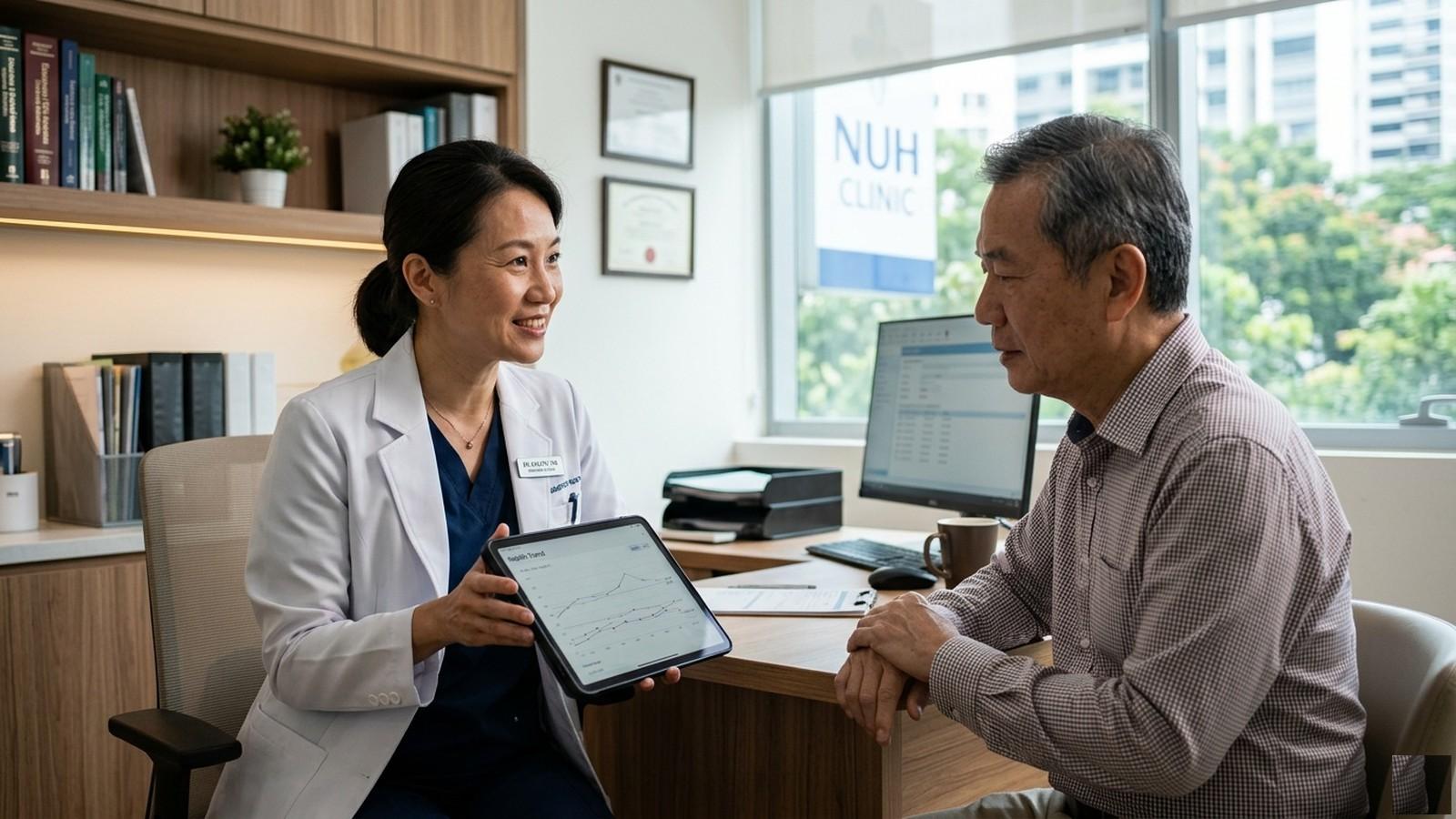
Collecting data is one thing; using it is another. The real power of these platforms lies in their ability to present patient-reported information in a useful format. A clinician doesn't have to sift through dozens of individual messages. Instead, they can view a dashboard showing a patient's symptom scores over the last month. They can see trends. A gradual increase in a pain score, for instance, might trigger a call to the patient before their next scheduled visit. This patient-generated health data provides invaluable context for clinical decisions. It's important to be clear: these logs and scores don't replace a formal clinical examination or diagnostic tests. They are a source of supplementary information that helps the physician understand the patient's experience between visits.
Is this just for tech-savvy patients?
Not at all. The best platforms are designed with simple, intuitive interfaces that are easy for people of all ages to use. For older patients or those less comfortable with technology, a family member or caregiver can often be designated to help manage the communication.
Does this replace phone calls?
No, it complements them. This software is ideal for non-urgent questions, routine updates, and structured data collection. Any urgent medical issue, like a severe medication reaction or a sudden spike in pain, still requires an immediate phone call to the clinic or a visit to an emergency department.
What about data privacy in Singapore?
This is a critical consideration. Clinics must ensure the software they choose is fully compliant with Singapore's PDPA. This means the vendor must have robust security measures, clear data governance policies, and servers that meet local data residency requirements where applicable.
Ultimately, patient communication software isn't about replacing the human element of care. It's about augmenting it. By providing a secure and structured channel for information flow between appointments, it equips both patients and clinicians with better data, leading to more timely and informed medical decisions.