So much of healthcare happens outside the clinic walls. The time between appointments is often when questions arise, symptoms change, or follow-up actions get forgotten. In Singapore’s fast-paced system, managing this communication gap manually with phone calls and letters is inefficient and leaves room for error. Patient communication automation workflows offer a structured, reliable alternative. It’s not about replacing conversations; it's about using technology to ensure the right information reaches the right patient at the right time, every time.
This means sending automated, personalized messages for appointment reminders, pre-procedure instructions, and post-visit check-ins. It systematizes the follow-up process, reducing the administrative burden on clinical staff and making sure patients don't fall through the cracks.
Mapping the Care Process
Modern healthcare is moving away from purely reactive care. We're now focused on creating predictable, safe processes for every step of a patient's interaction with the health system. This concept, known as process modeling, has long been used to standardize complex procedures for consistency and safety. A study published in Innov Surg Sci explores how surgical processes are broken down into clear, repeatable steps to minimize variability and risk. The same logic applies to communication. An effective workflow maps out key communication points: what information is needed before a visit, what instructions are critical after a procedure, and when a check-in is required. That distinction is real. By defining these steps, a clinic can automate the delivery, freeing up nurses and doctors to focus on complex clinical decisions rather than routine administrative tasks. It creates a predictable experience for the patient and a safer system for the clinic.
Ensuring Critical Follow-Up
One of the biggest risks in outpatient care is the failure to follow up on abnormal results or incidental findings. A patient might have a scan for one reason that reveals an unrelated issue needing monitoring, like a small lung nodule. Guidelines for managing these findings are clear, but tracking them over months or years is a challenge. For instance, a study published in Rofo outlines the specific surveillance schedules required for incidental pulmonary nodules based on their size and risk factors. An automated workflow is perfect for this. The system can be configured to send a reminder to the patient and the clinical team when a follow-up scan is due in six months. It can also send educational material explaining why the monitoring is necessary. This doesn't replace the doctor's role. It supports it by building a reliable safety net that ensures long-term care plans are actually executed.
Intelligent Triage and Routing
Today’s automation is more than just pre-scheduled messages. The integration of more advanced technology helps clinical teams manage incoming patient queries more effectively. It’s about getting the right information to the right person, quickly. Research into the use of large language models (LLMs) in medicine shows how this technology can help structure and prioritize information. A scoping review in JMIR Med Inform describes how these tools can transform parts of emergency medicine by processing vast amounts of data. In an outpatient setting, a similar principle applies. An automated system can analyze incoming patient messages to identify urgent keywords. A message containing “chest pain” or “severe swelling” would be immediately flagged and routed to a clinical triage nurse. A query about “appointment timing” could be sent directly to the administrative desk. This sorting process ensures that clinicians see the most urgent patient needs first, which is a significant improvement in both safety and efficiency.
What This Means for Patients
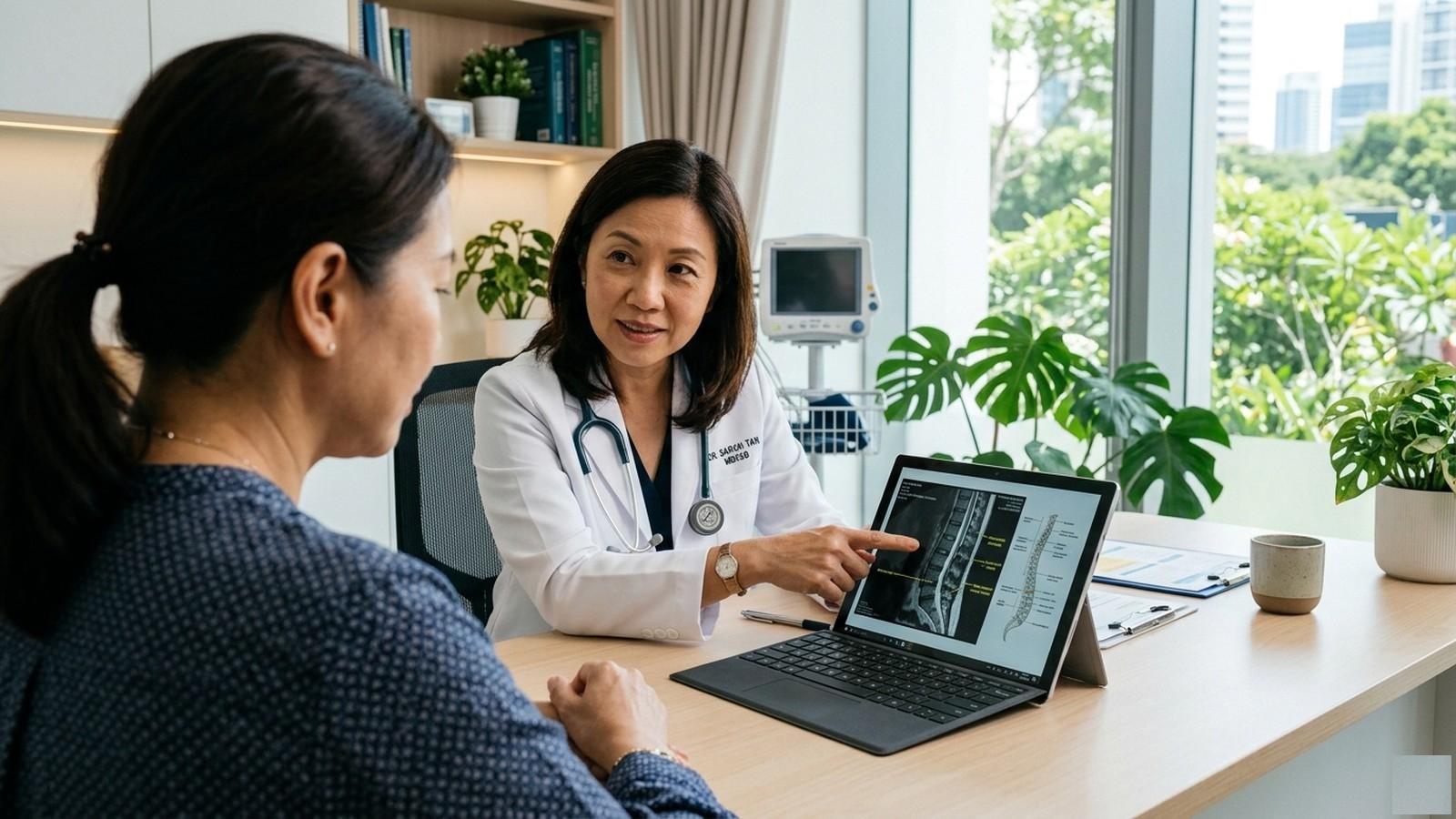
For patients, a well-designed communication workflow makes healthcare feel more connected and less confusing. You'll receive clear, timely instructions before a procedure, reducing day-of anxiety. You’ll get a simple text message a few days after starting a new medication to check for side effects, providing an easy way to raise concerns. This automated outreach provides valuable context for your care team. It's important to understand that information you provide, such as symptom logs or self-reported side effects, helps your doctor but doesn't replace a formal clinical examination. The goal is to create a continuous line of communication, making you an active partner in your own care between visits.
Will a robot manage my care?
No. These are communication and information-gathering tools. Automation handles routine tasks like reminders and check-ins, but a human clinician, your doctor or a nurse, always reviews your information and makes all medical decisions.
Is my personal data safe?
Yes. Healthcare providers in Singapore operate under strict regulations, including the Personal Data Protection Act (PDPA). The platforms used for patient communication are built with security and encryption to protect your confidential health information.
What if I have an urgent problem?
Automated communication systems are designed for non-urgent matters. You should always follow your clinic's specific instructions for emergencies. This usually involves calling an urgent contact number or proceeding to the nearest Accident & Emergency department for severe symptoms.
Ultimately, patient communication automation is a background tool for safety and reliability. It builds a consistent framework for care that operates between your scheduled appointments, ensuring that important details and follow-ups are never missed. This allows your clinical team to dedicate more of their time and focus directly to your health.