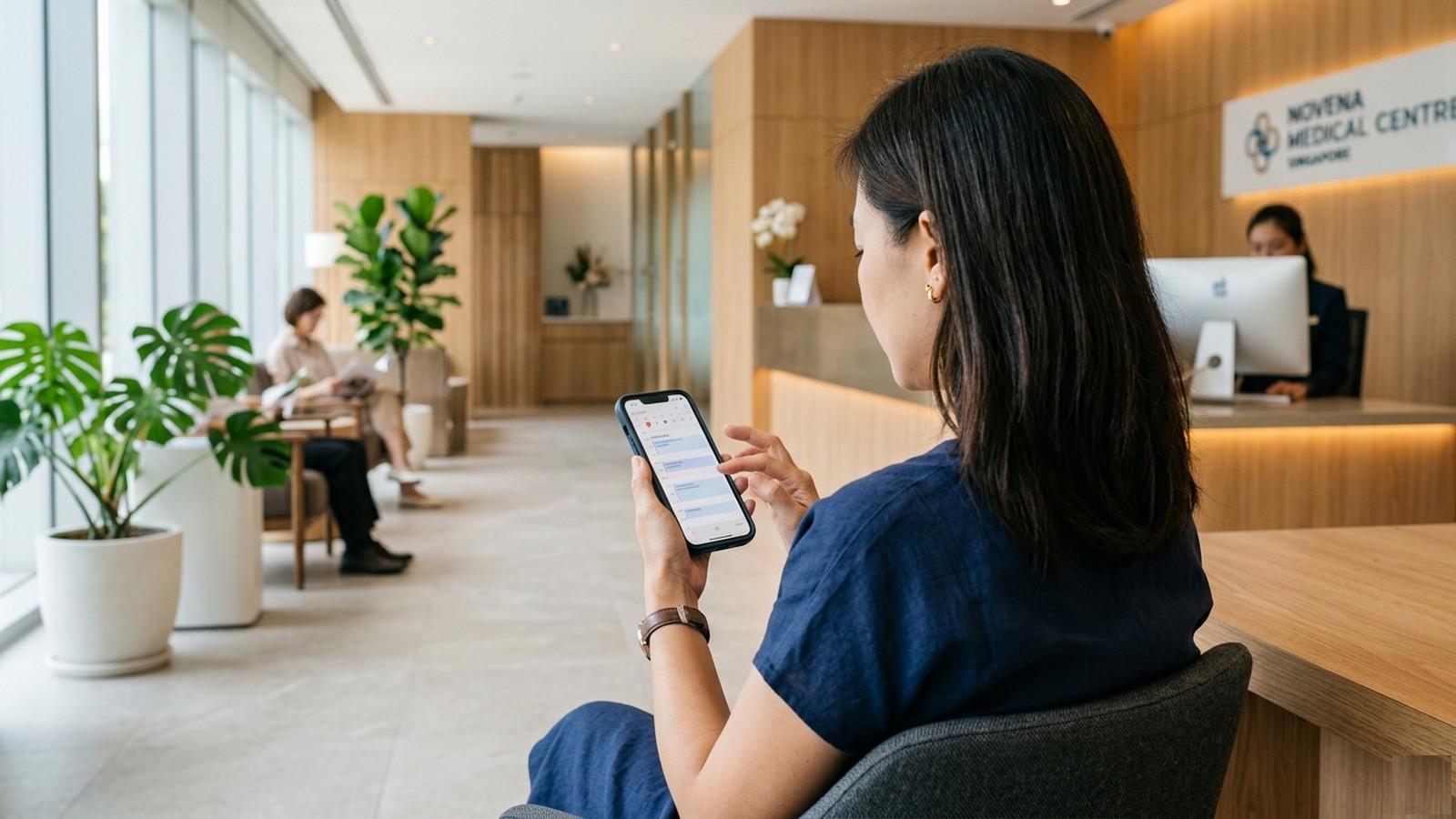
Missing a doctor's appointment seems simple enough, but the consequences can be significant. In Singapore's fast-paced environment, it's easy for a follow-up to get lost between work deadlines and family commitments. This isn't just a scheduling inconvenience; it's a break in the continuity of care. Patient appointment reminder software has become a standard tool in modern clinics, not just for operational efficiency, but as a clinical support system that directly addresses the common human challenge of remembering future tasks.
These systems work by providing timely, external cues that reduce the cognitive load on patients. It's a simple intervention that helps ensure a care plan stays on track, preventing small health issues from becoming larger problems due to delayed follow-up.
The Science of Adherence
Why do people miss appointments? It’s rarely intentional. The reason is often rooted in prospective memory, the cognitive function responsible for remembering to perform a planned action. Life is distracting. When you're juggling multiple responsibilities, an appointment scheduled weeks or months ago can easily slip from your mind. Automated reminders act as a direct intervention for this predictable cognitive lapse. They offload the mental task of remembering, freeing up cognitive resources for other things. This is especially important for patients managing chronic conditions or those experiencing even mild cognitive changes, where memory support is a key part of their overall care. A large-scale study published in J Med Internet Res demonstrated that digital tools providing support, monitoring, and reminders had a positive effect on the quality of life for individuals with mild cognitive impairment, showing the broad utility of structured digital prompts in healthcare.
Evidence on What Patients Prefer
The effectiveness of a reminder system depends entirely on how well it fits into a patient's life. Research has looked closely at which methods work best. It's not about bombarding patients with messages. It's about sending the right message at the right time through the right channel. A significant study published in Patient Prefer Adherence found that patients overwhelmingly want to receive reminders for their appointments. The data is clear. The preferred method for most was a simple SMS text message. Why? Text messages are immediate, hard to miss, and less intrusive than a phone call during a busy workday. They deliver the essential information, time, date, and location, without demanding an instant conversation. This evidence shows that respecting patient preference is key to a successful reminder strategy. It works because it meets people where they are.
More Than Just a Reminder
Modern reminder platforms have evolved far beyond a simple alert. They are now interactive tools for patient engagement. For instance, a reminder message can include a direct link to confirm attendance or request to reschedule. This simple feature is powerful. It gives patients agency and provides the clinic with a real-time view of its schedule, allowing staff to fill cancelled slots and manage resources efficiently. Advanced systems can also deliver pre-appointment instructions automatically. Think of instructions for fasting before a blood test or a reminder to bring recent medical records. This ensures patients arrive prepared, making the consultation itself more productive. The entire process reduces friction for both the patient and the clinic staff, creating a smoother care experience from start to finish.
Optimizing for the Local Context
In Singapore, with its extremely high smartphone penetration rate, SMS and app-based notifications are the most logical and effective channels for patient communication. They align with how people already manage their daily lives. The study on patient preferences confirms that text messaging is a highly accepted and effective tool. However, a good system maintains flexibility. An elderly patient who isn't comfortable with text messages might still prefer a pre-recorded voice call. The goal is to offer choices that accommodate different communication habits and levels of digital literacy, ensuring no one is left behind. The system should adapt to the patient, not the other way around.
Are these reminders secure?
Yes. Healthcare providers in Singapore operate under the Personal Data Protection Act (PDPA). Reminder systems use secure platforms and are configured to share only minimal, necessary information, such as your first name and appointment details, without revealing sensitive clinical data.
What if I need to reschedule?
Most modern reminder systems include a simple, interactive function. You can often reply directly to the SMS or click a secure link to confirm, cancel, or request a new appointment time, which streamlines communication with the clinic's administrative team.
Will I receive too many messages?
No, the system is designed to be helpful, not intrusive. Clinics typically configure reminders to be sent at specific intervals, for example, a few days before and then again on the day before the appointment, to provide a gentle nudge without causing notification fatigue.
Ultimately, patient appointment reminder software is a clinically validated tool that strengthens the connection between the patient and the care team. By tackling the simple but significant problem of missed appointments, it improves care continuity, optimizes clinic function, and supports the consistent follow-up required for managing health effectively. It’s a small piece of technology that makes a big difference in keeping a healthcare plan on course.