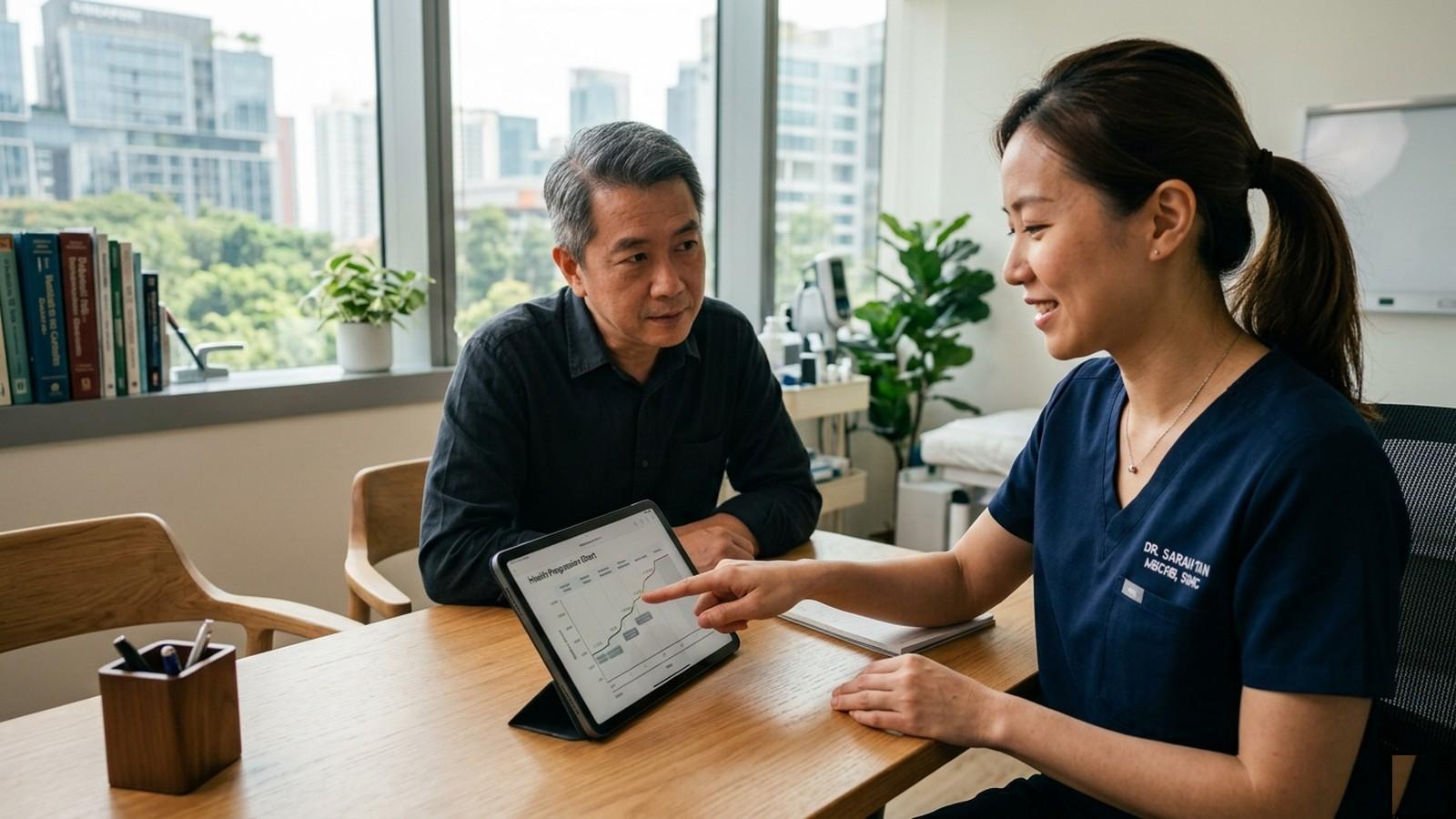
Personalized patient communication means moving beyond generic pamphlets and rushed explanations. It’s the process of tailoring every interaction, from the language used to the timing of a follow-up message, to a specific patient's needs, health literacy, and clinical situation. In Singapore, where we have a diverse population with varying cultural backgrounds and levels of digital comfort, a one-size-fits-all approach doesn't work. The goal is clarity, not just information delivery.
When a care plan is truly understood, patients are better equipped to manage their health between appointments. They know which symptoms to watch for, how to take their medications correctly, and when to call for help. This isn't about constant contact. It’s about meaningful, targeted communication that makes the care plan work in the real world.
The 'Why' Behind Tailored Information
The core principle is simple: people absorb and act on information that feels relevant to them. A patient who is newly diagnosed and feeling overwhelmed needs a different conversation than someone who has managed a chronic condition for years. Health literacy isn't about intelligence; it's about a person's ability to find, understand, and use health information. We can't assume everyone understands medical terminology. Explaining a concept in plain language, perhaps with a simple analogy or a drawing, makes a huge difference. That distinction is real. This approach also respects cultural context, which can influence how health decisions are made and whether family members are involved.
Timing matters here. Sending a detailed email about potential medication side effects the moment a patient gets home can be overwhelming. Instead, a short message three days later checking in and reminding them of one or two key things to watch for is often more effective. It meets them where they are in their care process. The brain can only process so much new information at once, especially during a stressful clinic visit. Breaking it down into digestible pieces delivered at the right time is key.
Structuring The Communication Chain
Effective care doesn't happen in a single visit. It’s a continuous process, a chain of events where each link depends on the one before it. The idea of a coordinated "chain of recovery," initially developed for acute events like stroke, provides a powerful model for all types of care. As highlighted in a study published in Prehosp Emerg Care, an unbroken chain of actions and communications significantly improves outcomes. This principle applies directly to FlocCare. The communication that happens during a consultation must seamlessly connect to the instructions for home care, which then links to the next follow-up. If any link is broken, if a patient leaves confused about their medication schedule, for example, the entire plan is weakened.
This structured approach is what makes personalized care scalable and reliable. It's not about a single clinician's communication style; it’s about a system that ensures every patient gets the right information at the right time. Evidence shows that well-organized systems of care deliver better results. For instance, a study published in Ann Emerg Med found that a regional system of stroke care could produce outcomes comparable to those seen in major clinical trials. This reinforces that a systematic, protocol-driven approach to care, including communication, is what drives success. The system ensures no one falls through the cracks.
Using Data to Personalize
Modern FlocCare leverages patient-reported information to make communication truly personal. When patients log their symptoms, functional limitations, or self-readings between visits, it provides the clinical team with a clear picture of what's happening. That data is gold. It allows a follow-up call to be highly specific: "I see your sleep quality score was low for the past three nights. Let's talk about what might be causing that." This is far more effective than a generic "How are you feeling?"
It’s important to be clear about what this data represents. These patient logs provide valuable context and help track interval changes. They don't replace a formal physician's assessment or diagnostic tests. A rise in a self-reported pain score, for instance, prompts a clinical conversation to figure out the cause. It could be related to the underlying condition, or it might be due to other factors like stress or a change in activity. The logs start the conversation; the clinical evaluation provides the answers.
How do I make sure I understand?
Use a technique called "teach-back." After your doctor explains the plan, repeat it back in your own words, like: "Okay, so I will take this blue pill once in the morning, and I should call if I notice any swelling in my ankles." This simple step confirms mutual understanding and clears up any confusion on the spot.
What if I prefer text messages over calls?
Tell your care team. Part of personalization is accommodating your communication preferences. Whether you prefer a secure portal message, an email, or a quick phone call, letting the team know helps them tailor their outreach to what works best for you.
Should my family be involved in these talks?
That is entirely up to you. In Singapore's family-oriented culture, it's common for family members to be part of the care team. If you want a spouse, child, or caregiver to be included in conversations or receive updates, just inform your clinical team and provide consent.
Personalized communication isn't a luxury; it’s a core component of safe and effective medical care. It ensures that the treatment plan designed in the clinic is the same one being followed at home. Always confirm you understand the key next steps for your health before a consultation ends.