Healthcare often happens in episodes. You see your doctor, get a plan, and return weeks or even months later. But what happens in between those visits? For people managing chronic conditions under FlocCare, that intervening time is where health is either maintained or lost. Small changes in symptoms can go unnoticed or be forgotten by the time the next appointment comes around. This is the gap that modern healthcare patient messaging software is designed to close. It's not about casual texting; it’s about structured, clinically relevant communication that transforms care from a series of snapshots into a continuous film.
This technology provides a secure channel for patients to report key information and for clinical teams to monitor progress remotely. It’s a fundamental shift. It moves part of the care process out of the clinic and into the patient's daily life, where the condition is actually experienced. The goal isn't more communication, it's smarter communication.
Connecting Data to Clinical Care
At its core, patient messaging software collects structured data. This isn't random conversation. Instead, the system may prompt a patient to answer specific questions: “How would you rate your symptom severity today on a scale of 1 to 5?” or “How many times did you need to use your reliever medication yesterday?” These patient-reported outcomes provide a consistent, longitudinal view of their condition. Clinicians can see trends. They can spot a slow decline or a sudden flare-up that might otherwise be missed. This is a huge advantage over relying on memory alone during a brief consultation. The evidence for this approach is substantial. For instance, a massive umbrella review of 34 meta-analyses found that mobile phone interventions, including messaging, significantly improve health outcomes for patients with chronic diseases, according to a study published in Lancet Digit Health. The data shows it works.
The Evidence for Self-Management
These systems don't just benefit doctors; they empower patients. By regularly logging symptoms or functional limitations, patients develop a deeper understanding of their own health. They learn to recognize their triggers. They see the direct impact of lifestyle choices or medication adherence. This active participation is key to effective self-management. Research confirms that patient-centered digital health tools can dramatically improve a person's ability to care for themselves. A randomized controlled trial focused on chronic heart failure demonstrated that a mobile health intervention led to better self-care behaviors, as reported in a study published in J Med Internet Res. While the condition is different, the principle holds true for FlocCare: giving patients the tools to monitor themselves improves their engagement and control. It's important to be clear. These patient logs provide valuable context for the care team, but they never replace formal physician assessments or diagnostic examinations.
Timely Intervention Changes Outcomes
The most significant clinical benefit is the ability to intervene early. Many systems use algorithms to flag concerning data, for example, a pattern of rising symptom scores or reports of a specific side effect. This alert allows a nurse or care coordinator to follow up immediately. A small adjustment to medication or a piece of advice might be all that's needed to prevent a serious complication or an emergency department visit. The care becomes more responsive. It doesn't wait for the next scheduled appointment. This proactive model is supported by long-standing principles in remote care. The empirical foundations for using these technologies to bridge gaps in primary care have been well-established for years, as outlined in a study published in Telemed J E Health. Getting the right information at the right time allows clinical teams to act decisively.
What Clinicians Are Looking For
When a clinician reviews patient-reported data, they aren't just looking at a single number. One high reading could be an anomaly. They are searching for patterns. Is there a slow but steady increase in symptom frequency over two weeks? Does the patient consistently report poor function on weekends? This context is incredibly rich. It helps the clinical team distinguish between a temporary setback and a true change in the underlying disease activity. It's also vital to remember that symptoms can have multiple causes. Stress, poor sleep, or other factors can influence how a person feels. The data from messaging software provides clues that the physician uses alongside their clinical evaluation to make a final determination, not in isolation.
How is my private data protected?
Patient privacy is paramount. Reputable software platforms used in Singapore comply with the Personal Data Protection Act (PDPA). All communication is encrypted and stored on secure servers, ensuring that your health information remains confidential and is only accessible to your authorized care team.
Does this technology replace my doctor visits?
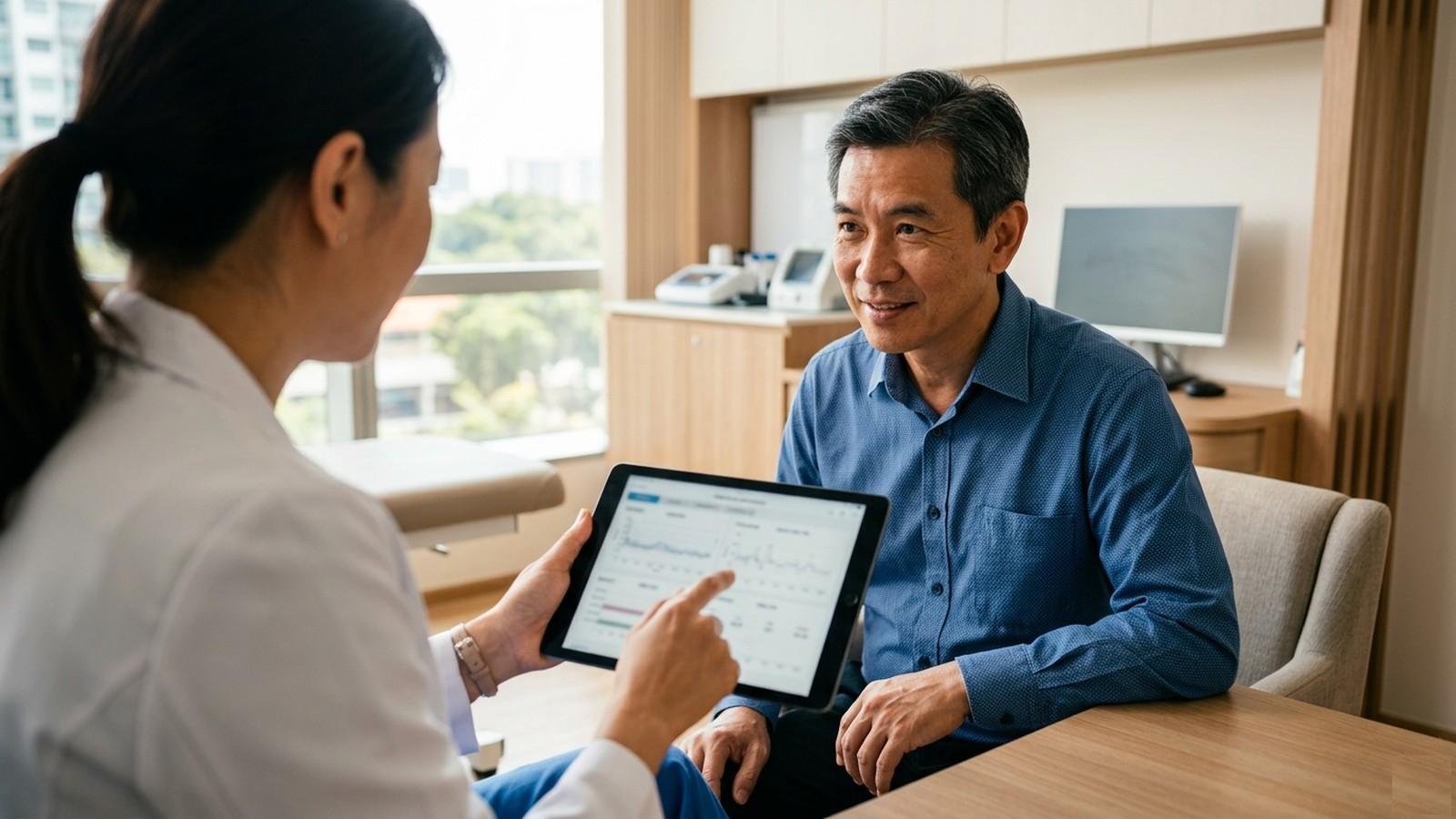
No, it supplements them. This software makes your in-person appointments more productive. Instead of trying to recall weeks of experiences, you and your doctor can review clear data trends together, leading to a more focused and effective discussion about your treatment plan.
What if I'm not good with technology?
These systems are designed for simplicity. Many operate through simple text messages or user-friendly apps with large buttons and clear instructions. The goal is to make reporting easy, not to create a technical barrier for patients who need support.
The most practical lesson is this: structured patient messaging shifts chronic disease management from being reactive to responsive. By capturing daily health information, this software provides the clinical team with the data needed to make more informed decisions sooner. It doesn't replace the doctor-patient relationship; it strengthens it with better information.