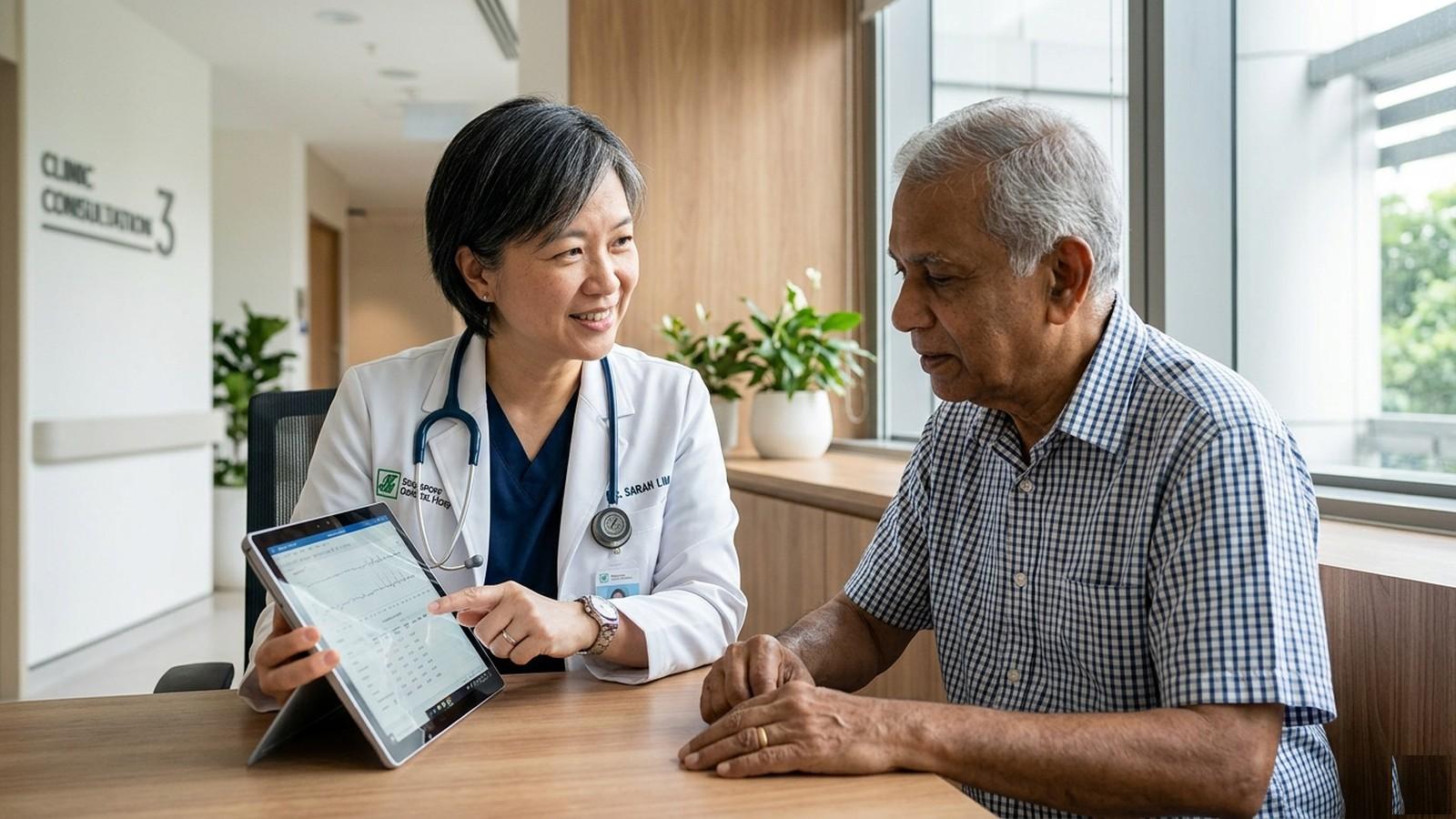
Communication in a busy Singaporean clinic often feels compressed into a brief consultation. Once the patient leaves, a critical information gap opens up. What happens between this visit and the next? Relying on memory for complex care instructions or waiting months to report a new symptom isn't just inefficient; it's a clinical risk. Modern patient communication tools are designed to close this gap, transforming the between-visit experience from a passive waiting period into an active part of the care plan.
These platforms aren't just about administrative convenience like appointment booking. They are clinical instruments that structure the flow of information, ensuring clarity and continuity. It's about making sure the right information reaches the right person at the right time, whether it's a patient clarifying a medication dose or a nurse triaging a reported side effect.
Why Structured Handovers Matter
In healthcare, the transfer of critical information is known as a handover. While typically discussed between clinicians, the same principle applies when a doctor hands over care instructions to a patient. Things get missed. Verbal instructions are easily forgotten, especially when a patient is feeling unwell or anxious. A systematic review of clinical handovers confirms that unstructured communication is a major source of medical errors, according to a study published in Int J Qual Health Care. The core problem is information loss.
Digital communication tools solve this by creating a persistent, written record. A good platform allows a clinic to send a summary of the visit, medication instructions, and educational materials directly to a patient's secure portal. The patient can refer back to it anytime. This isn't just a convenience. It's a safety mechanism that ensures the care plan discussed in the clinic is the same one being followed at home. It reinforces the doctor's advice and gives patients confidence in managing their own health.
Automating Routine Communication
A clinic's most valuable resource is the team's time. Too much of it gets spent on repetitive, administrative tasks: appointment reminders, pre-visit paperwork, and routine follow-up calls. These are necessary but low-value interactions. Automation can handle them with greater efficiency and accuracy. This frees up nurses and administrative staff to focus on patients with more complex needs.
The application of smart automation in healthcare is growing. For instance, research into pharmacy practice shows how AI can manage routine tasks like medication adherence reminders and information dissemination, as highlighted in a study published in Explor Res Clin Soc Pharm. The same logic applies to a general clinic. An automated system can send a pre-visit questionnaire asking about current symptoms. The patient's answers can be directly integrated into their electronic health record, giving the doctor a concise update before the consultation even begins. It's a simple change that makes each visit more focused and productive.
Selecting the Right Clinical Tool
Not all communication tools are created equal. Using non-compliant, consumer-grade apps like WhatsApp for clinical matters poses significant privacy and security risks under Singapore's Personal Data Protection Act (PDPA). A proper clinical tool must be built for healthcare. Key features include end-to-end encryption, secure messaging, and a clear audit trail.
Clinics in Singapore should look for platforms that integrate with their existing Clinic Management System (CMS). A standalone tool that requires double data entry creates more work and introduces new opportunities for error. Seamless integration means that appointment schedules, patient records, and billing are all connected. The tool should also be incredibly easy to use for both staff and patients, including older adults who may be less tech-savvy. A simple interface is more important than a long list of features that no one uses.
Improving Between-Visit Care
The real value of these tools is realised between appointments. A patient can use a secure portal to log their blood pressure readings, track symptoms, or report a medication side effect. This patient-reported data provides the clinical team with valuable context. It doesn't replace a formal examination, but it does paint a much clearer picture of what's happening when the patient isn't in the clinic. For example, seeing a log of rising blood pressure readings over two weeks allows a nurse to intervene early, perhaps by scheduling a follow-up, instead of waiting for the next scheduled visit three months away. This proactive monitoring can prevent complications and improve outcomes. It makes the patient an active partner in their own care.
Are these tools secure enough?
Yes, provided you choose a healthcare-grade platform. These tools use encryption and are designed to comply with data privacy laws like the PDPA. They are fundamentally different from consumer messaging apps, which lack the security and accountability required for medical information.
Will patients actually use them?
Adoption depends on simplicity and clear communication from the clinic. In a digitally-savvy country like Singapore, many patients expect this convenience. The key is for the clinic to explain the benefits clearly, how it helps them get faster responses and manage their health better, and provide simple instructions on how to get started.
What about elderly patients?
This is a valid concern. The best platforms offer multiple modes of communication. For instance, an elderly patient might prefer to receive simple appointment reminders via SMS instead of a full-featured app. Involving family members or caregivers in the setup process can also help bridge the technology gap.
Ultimately, choosing the right communication tool isn't about adopting the newest technology. It's about solving a fundamental clinical problem: how to maintain a clear, continuous, and safe dialogue with patients beyond the four walls of the clinic. The best tool is the one that fits your workflow and helps your patients stay connected to their care plan.