

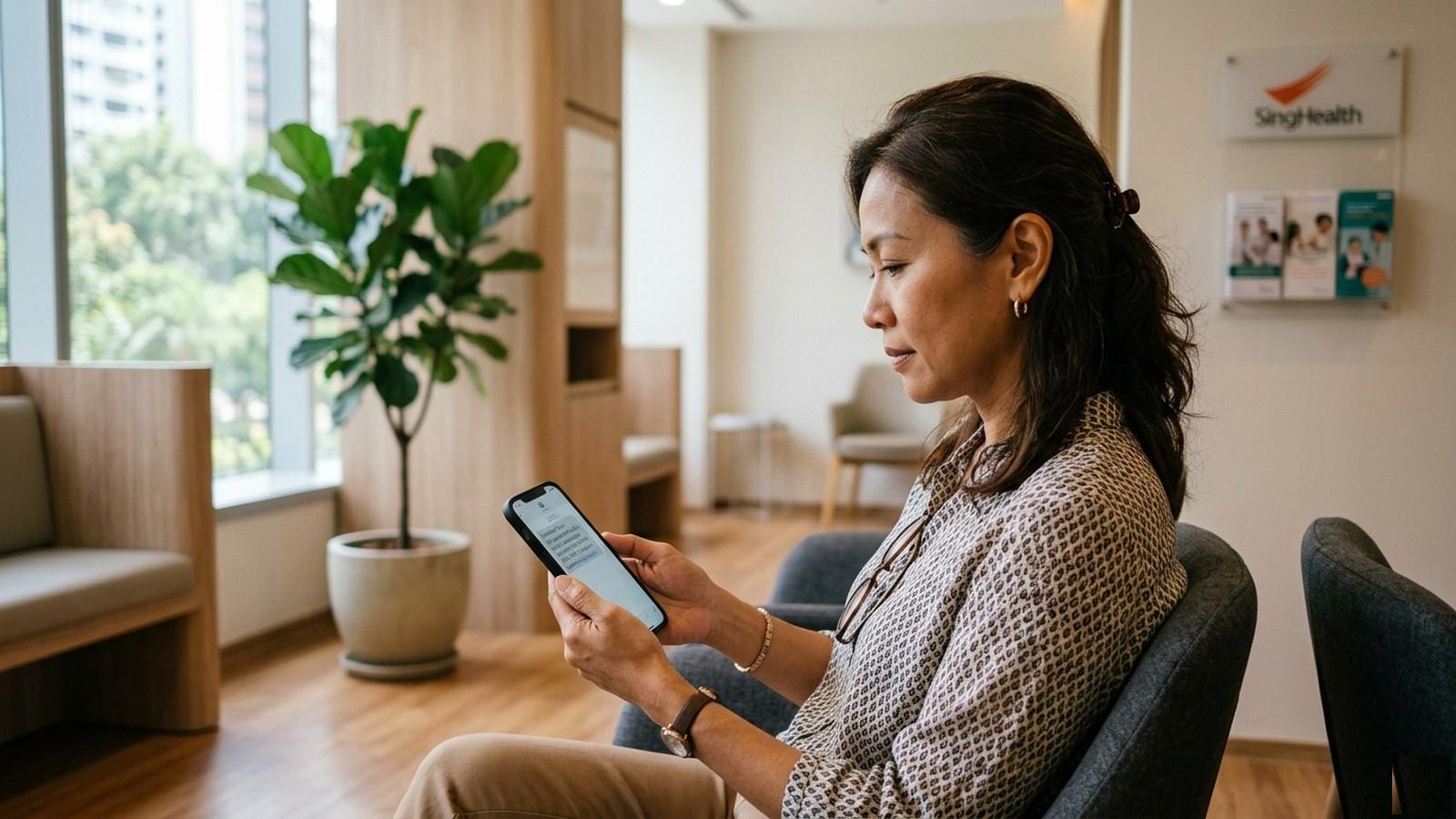
The care you receive doesn't stop when you leave the clinic. Those days and weeks between appointments are often where recovery truly happens, but they can also be a period of uncertainty. You might forget a specific instruction or wonder if a new symptom is normal. Automated patient follow-up messages are a simple, structured way for your care team to stay connected with you, track your progress, and provide support without requiring constant in-person visits. It's a technology-driven approach designed to close the gaps in modern healthcare.
This isn't about replacing face-to-face consultations. It's about making them more effective. By collecting brief, regular updates on your condition, your clinical team gets a clearer picture of your health over time, leading to more informed and personalised decisions when you next meet.
Why Between-Visit Experience Matters
A 15-minute appointment is often not enough time to accurately recall every symptom or functional challenge from the past several weeks. Memory can be unreliable. Patients often focus on how they feel on the day of the visit, which may not represent their overall condition. This can lead to an incomplete picture for the clinician. Automated check-ins solve this by gathering information in near real-time. They create a consistent log of patient-reported outcomes. That distinction is real. This continuous data stream helps identify subtle but significant trends, like a gradual worsening of pain or the emergence of a medication side effect, that might otherwise be missed. As outlined in a broad review of post-injury care challenges, longitudinal monitoring is a cornerstone of managing recovery and preventing secondary complications, a principle that applies across many health conditions, as noted in a study published in Lancet Neurol.
The Evidence for Automated Check-ins
The concept of using automated messaging to support patients isn't new, and the evidence supporting its use is growing. It's a tool for engagement and adherence. For example, a major clinical trial looked at patients with knee osteoarthritis who used a web-based exercise program supported by automated text messages. The results were clear. The group receiving automated messages reported greater improvements in pain and physical function compared to those who didn't, according to clinical trial data in JAMA Intern Med. While the condition is specific, the mechanism is broadly applicable: regular, automated prompts help keep patients engaged with their care plan and provide a low-friction way to report back.
Furthermore, getting patients to respond to follow-up requests has always been a challenge for healthcare providers. Research shows that incorporating automated methods like text messages and emails significantly boosts response rates for post-injury surveys. This finding, documented in a study published in Res Sq, shows that patients are often more likely to engage with simple, digital check-ins than with traditional methods like phone calls. Higher engagement means more complete data for your care team. More data means better-informed care.
What This Means for Patients
So, how does this work in practice? You might receive a secure text message or email once a week with a link to a short questionnaire. The questions are specific and targeted. They might ask you to rate your pain on a 1-to-10 scale, confirm if you've taken your medication as prescribed, or ask about your ability to perform a daily activity like walking up stairs. It takes only a minute or two to complete. This information is a log of your experience. It's important to understand that your self-reported data provides valuable context for your doctor, but it doesn't replace a formal clinical examination or diagnostic tests. It’s one piece of a larger puzzle.
How Clinicians Use This Data
The responses you provide don't disappear into a void. They're collected on a secure dashboard for your clinical team to review. This system often uses alerts to flag concerning trends. For example, a consistently high pain score or a report of a new, severe side effect can trigger an alert, prompting a nurse or care coordinator to call you directly. This allows the team to intervene early. They might adjust your medication, recommend a telehealth consultation, or schedule an earlier in-person appointment. It turns reactive care into something more responsive, helping to address problems before they become severe.
Are my responses read instantly?
No, these systems are not for live-chatting. Responses are typically reviewed by the clinical team during regular clinic hours. They are used to track trends and identify patients who may need proactive outreach, not for immediate, 24/7 monitoring.
What if I have an emergency?
Automated follow-ups are strictly for non-urgent communication. If you are experiencing severe symptoms, such as difficulty breathing, intense pain, or signs of a serious reaction to medication, you should not use the messaging system. Contact your clinic's emergency line or seek immediate medical attention at the nearest A&E department.
Is my personal data secure?
Yes. Healthcare providers in Singapore are bound by the Personal Data Protection Act (PDPA) and strict Ministry of Health guidelines. The platforms used for automated patient messaging are designed with robust security features to ensure your private health information remains confidential and secure.
Automated follow-up messages are a structured tool to help you and your care team track your progress between appointments. Consistent, honest reporting provides valuable information that can lead to more timely and personalised care.