

The time between medical appointments can feel like a blind spot. A patient leaves the clinic with instructions, but for the weeks or months that follow, the care team has limited insight into how they're truly doing. Are the new medications working? Are side effects manageable? Is their condition quietly worsening? Traditionally, these questions went unanswered until the next scheduled visit. Automated patient communication software is changing this dynamic. It's not about sending more appointment reminders; it's about creating a structured channel for monitoring and support that operates between consultations.
This technology provides a lifeline, turning a passive waiting period into an active phase of care management. For clinics in Singapore managing chronic conditions or complex post-procedure recoveries, it offers a way to keep a finger on the pulse of patient well-being without overwhelming staff resources.
Beyond Simple Reminders
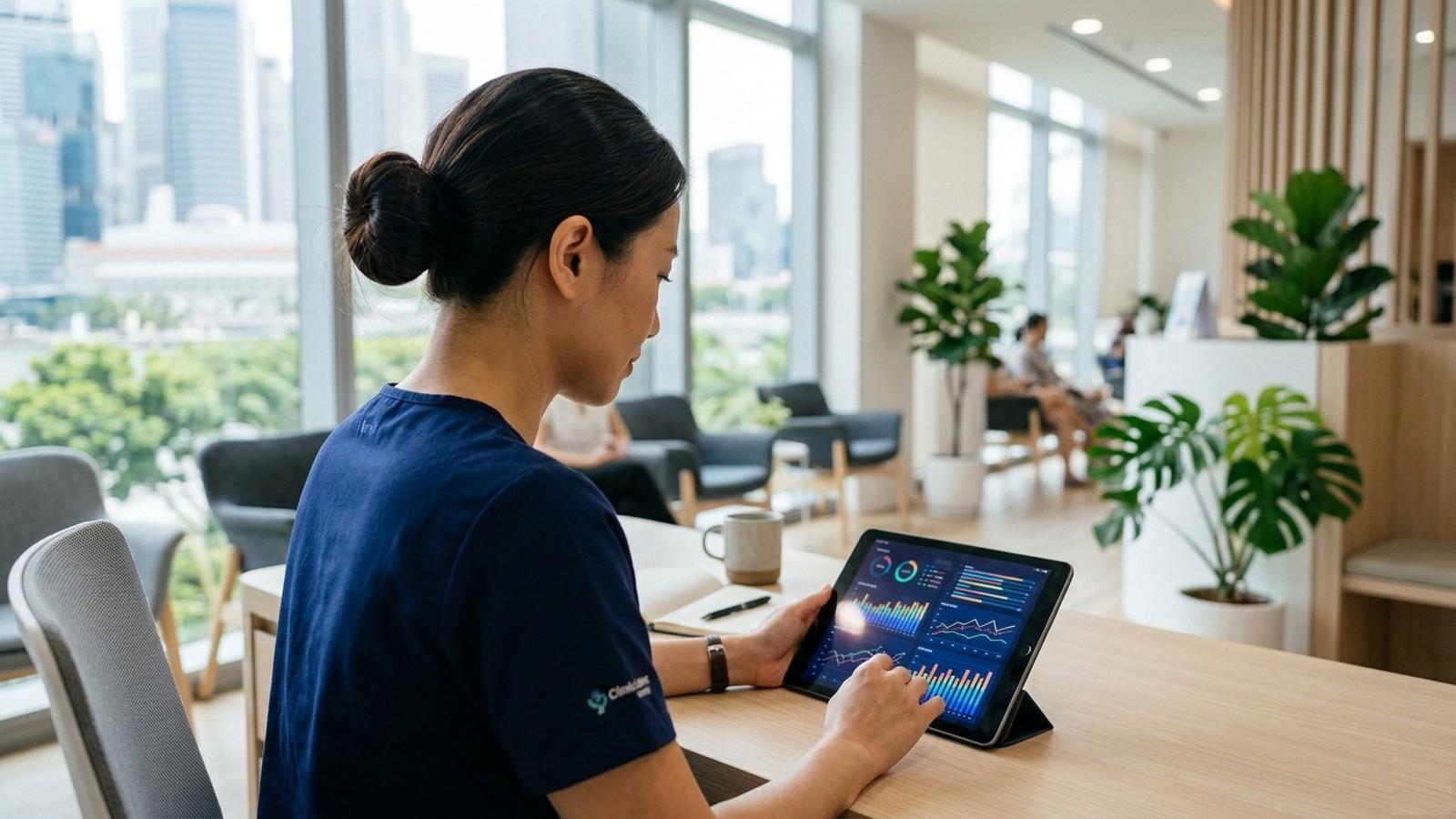
Modern automated systems are far more sophisticated than basic SMS blasts. They function as an extension of the clinical team. The core mechanism involves sending automated, clinically designed check-ins to patients via familiar platforms like SMS or a secure app. These aren't random wellness questions. They are targeted queries about specific symptoms, medication adherence, or patient-reported outcomes directly relevant to their condition. For instance, a patient recovering from a procedure might be asked to rate their pain on a 1-10 scale and report any specific warning signs. Their answers don't disappear into a void. They feed directly back into a clinical dashboard.
Structured Data and Clinical Triage
This is where the real value lies. The software uses clinical logic to sort and prioritize patient responses. A normal response might simply be logged in the patient's record. An answer that indicates a minor, expected side effect could trigger the automatic delivery of a pre-approved educational message or a link to a resource. This is a key principle of digital health. However, if a response crosses a pre-defined clinical threshold, like a sudden spike in a symptom score or a report of a significant side effect, the system flags it for immediate human review. A nurse or care coordinator gets an alert. They can then review the patient's specific submission and decide on the next step: a phone call, a request for more information, or scheduling an earlier appointment. This process is about augmenting, not replacing, clinical judgment. Chatbot-assisted frameworks can help organize these workflows, ensuring that patient needs are addressed systematically, as highlighted in a study published in Prof Case Manag. It ensures the clinical team’s attention is focused where it's needed most.
The Evidence for Digital Monitoring
The move toward automation is a broad trend in medicine, aimed at creating more precise and responsive care models. For example, research into automated virtual patient creation shows how digital tools can build detailed patient profiles from collected data to personalize care, according to a study published in J Dent. While focused on dentistry, the concept applies broadly: technology is enabling us to create a more continuous, data-informed picture of a patient's health. This digital oversight mirrors the structured follow-up protocols used in other areas of medicine. For instance, the management of incidental findings in imaging relies on strict, evidence-based guidelines to ensure nothing is missed, as detailed in a study published in Rofo on managing pulmonary nodules. Automated communication applies a similar principle of systematic, guideline-driven follow-up to a patient's daily experience. It's about ensuring consistency and safety at scale.
What This Means for Patients
For patients, this system provides a simple, direct way to communicate with their care team without the friction of phone calls or emails. It's empowering. Knowing that their reported symptoms are being monitored can reduce anxiety. It also helps them become more attuned to their own health, as they are regularly prompted to reflect on specific metrics. The key is that these patient logs provide valuable context for the care team. They don't replace formal physician assessments or diagnostic exams, but they enrich the conversation during the next clinic visit. The doctor can see the trend of a patient's symptoms over time, not just rely on their memory of the past few months.
Improving Care in Singapore
In Singapore's healthcare landscape, efficiency and effective management of chronic disease are priorities. Automated communication tools are well-suited to this environment. They help healthcare providers manage large patient populations more effectively. By filtering out the stable and identifying the deteriorating, these systems allow clinical resources to be allocated with greater precision. This helps prevent minor issues from becoming major complications, potentially reducing hospital readmissions and improving long-term outcomes. The patient-reported information helps clinicians interpret interval changes, but it's important to remember that daily symptoms can have multiple causes. The data provides context, but it doesn't replace a full clinical evaluation by a physician.
Is my data kept private?
Yes. Healthcare providers in Singapore must comply with the Personal Data Protection Act (PDPA). Any patient communication software used is vetted for security and encryption to ensure that your personal health information is kept confidential and secure.
Will a robot be making decisions?
No. The software is a decision-support tool, not a decision-maker. It automates data collection and flags concerning trends based on clinical rules set by your doctor. A human clinician, a nurse, care coordinator, or physician, always reviews these alerts and makes the final clinical decision.
What if I have an emergency?
These systems are strictly for non-urgent communication and routine monitoring. You should always follow your clinic's instructions for urgent medical issues and use emergency services (calling 995) for any life-threatening symptoms or situations.
Ultimately, automated patient communication transforms the period between appointments from a passive wait into an active partnership. It equips care teams with the data to intervene earlier and more effectively, ensuring that care doesn't stop when you walk out the clinic door.