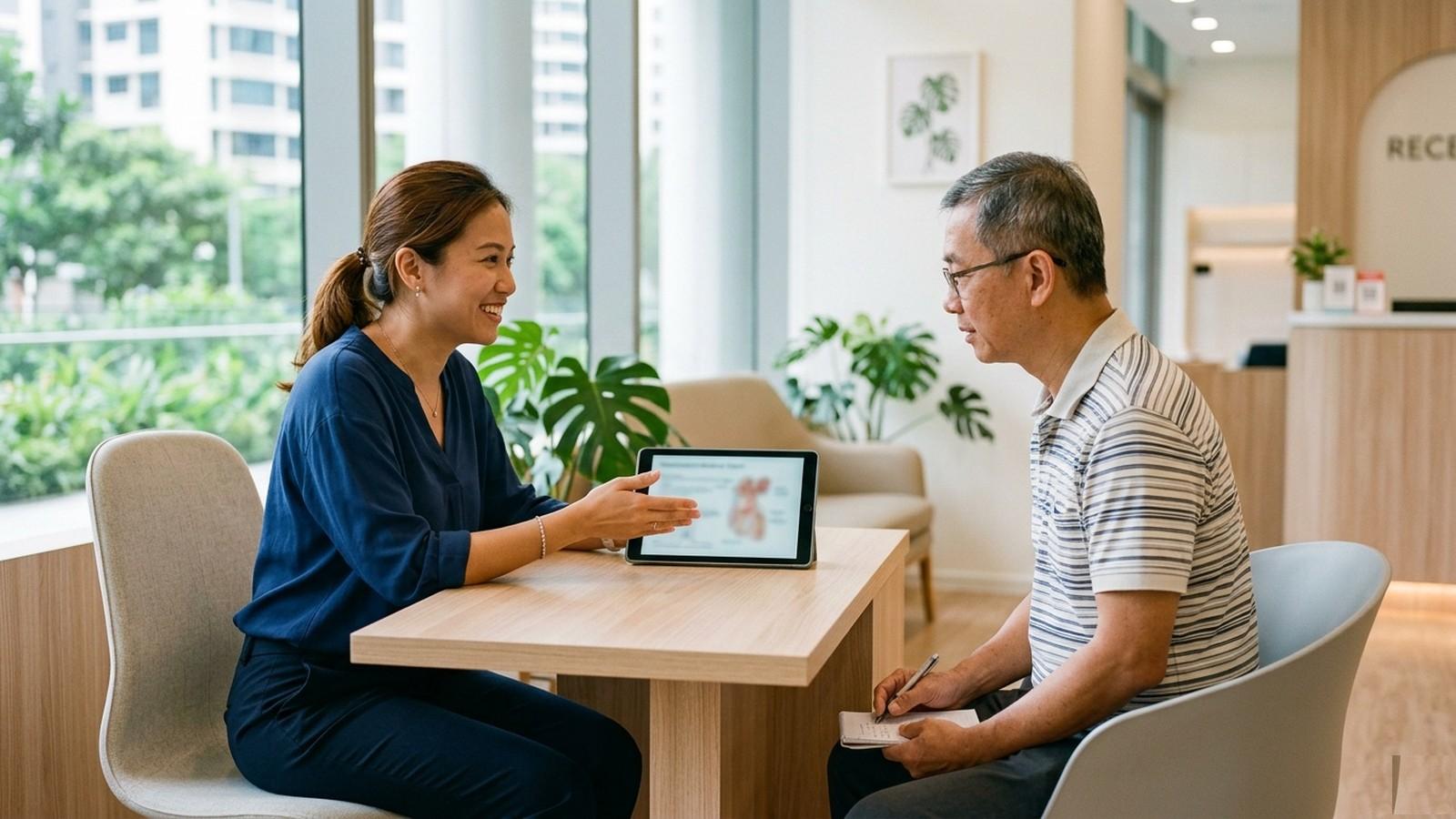
Healthcare doesn't stop when you leave the clinic. For many people in Singapore, especially those managing long-term conditions, the days and weeks between appointments are when health management really happens. This is where automated healthcare outreach solutions are changing the dynamic. It's a technology-driven approach to keeping patients and their care teams connected. These systems send timely reminders, check-ins, and educational materials, ensuring care continuity without adding a heavy administrative burden to clinics.
This isn't about replacing human interaction. It’s about augmenting it. These systems use secure messaging, automated calls, or app notifications to handle routine tasks, freeing up clinical staff to focus on patients who need more intensive, direct support. The goal is simple: to make sure important health tasks don't get missed.
How Automation Bridges Care Gaps
At its core, automated outreach works by integrating with a clinic's Electronic Health Record (EHR). This connection allows the system to identify patients who are due for specific services. Think about preventive screenings, vaccinations, or follow-up blood tests. Instead of relying on manual chart reviews and phone calls, an automated system can send a personalized message prompting the patient to schedule their appointment. It’s a systematic way to close loops in care. That distinction is real.
The technology can be tailored to different needs. For a patient with diabetes, it might send a weekly check-in asking about blood sugar readings. For someone recovering from surgery, it might provide daily tips on wound care and ask about pain levels. This data, when collected, gives the clinical team valuable context for the next consultation. Patient logs provide important information, but they never replace a formal physician's assessment. Recent research highlights how EHR-embedded automated outreach can significantly increase the completion of outstanding healthcare services, demonstrating a direct impact on patient compliance and preventive care, as shown in a study published in Appl Clin Inform.
The Evidence for Timely Follow-Up
The clinical benefits hinge on consistency and early detection. Regular, automated contact helps patients stay engaged with their own health. It also creates a channel for identifying potential problems before they become severe. For instance, a system might flag a series of high blood pressure readings submitted by a patient, triggering an alert for a nurse to follow up. This creates a safety net. It doesn't replace clinical judgment, but it does support it with timely data.
Evidence from various clinical settings supports the value of structured, technology-enabled communication. While focused on intensive care, principles from work on computerized systems show that automation can improve adherence to medical protocols and support early warning systems, according to a study published in Crit Care. These same principles apply to outpatient care. By automating routine check-ins, clinics can more reliably monitor patient status and intervene when necessary. This structured approach helps ensure that care plans are followed consistently over time.
What This Means for Patients
For patients in Singapore, these systems mean healthcare feels more continuous. You're not just on your own between visits. The reminders for medication refills or upcoming appointments reduce the mental load of managing a health condition. The ability to quickly report symptoms or readings provides peace of mind, knowing that the information is being reviewed by your care team. It's a partnership.
However, implementation isn't always straightforward. It requires careful planning to ensure the technology is user-friendly and truly helpful, not just another notification to ignore. As clinical trial data in J Pain Symptom Manage reveals, even well-designed programs face implementation challenges. Success depends on clear communication, patient education, and ensuring the tools are accessible to everyone, including older adults who may be less comfortable with digital technology.
Will this replace my doctor?
No. Automated outreach is a tool to support your doctor and care team, not replace them. It handles routine communication so that your in-person appointments can be focused on more complex decision-making and your specific health concerns.
Is my personal health data safe?
Yes. Healthcare providers in Singapore must comply with strict data protection laws like the Personal Data Protection Act (PDPA). These automated systems are designed with security and privacy as a priority, using encryption and secure servers to protect your information.
What if I'm not good with technology?
Many systems offer multiple ways to communicate, including simple SMS text messages or automated phone calls that don't require a smartphone or computer skills. The goal is to make healthcare more accessible, so platforms are often designed to be as simple as possible.
The key takeaway is that automated outreach is a support structure. It helps ensure that the care plan designed by you and your doctor is consistently followed, using technology to make important health tasks easier to manage between clinic visits.