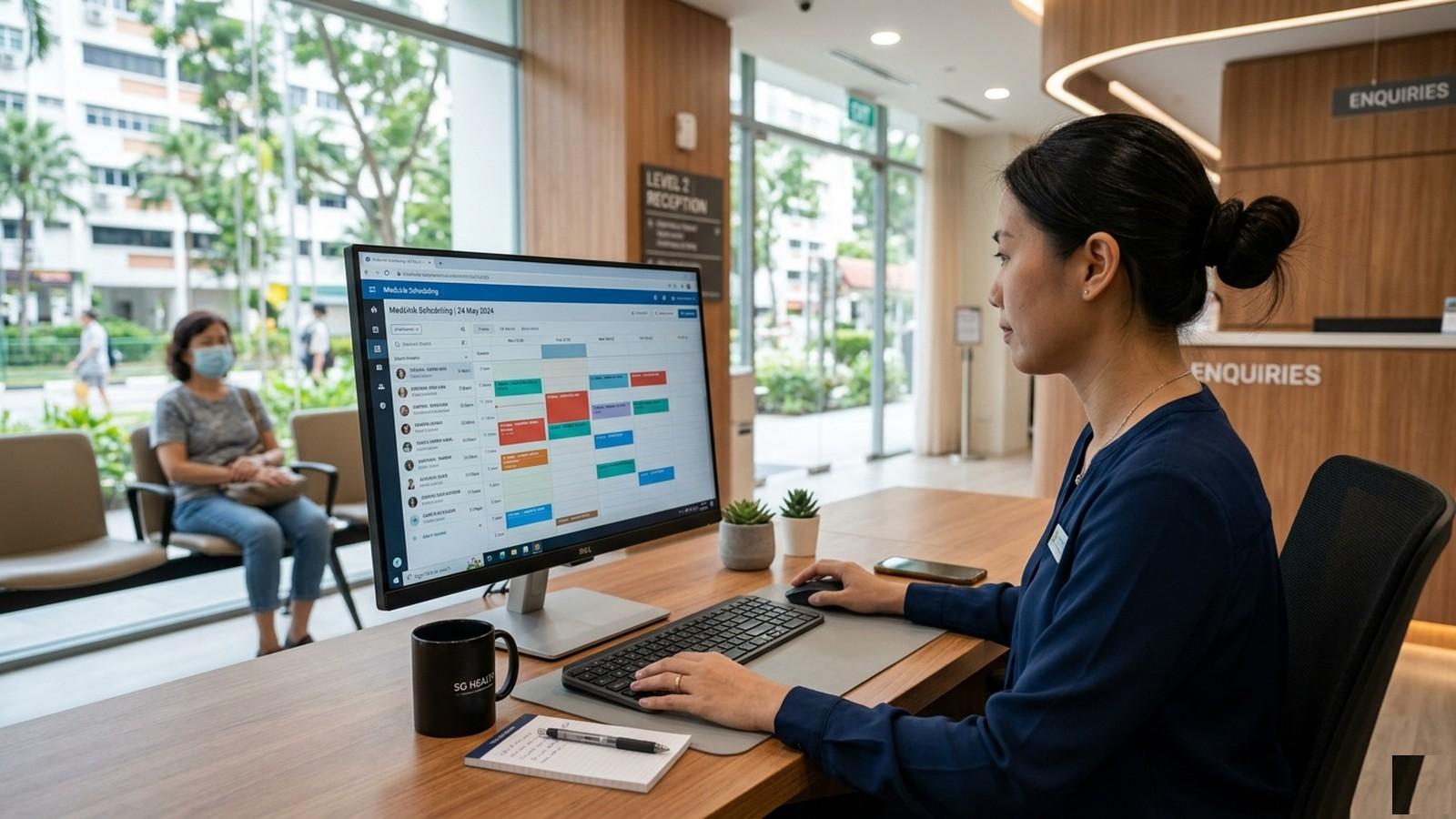
A missed medical appointment seems simple enough. Life gets busy, things get forgotten. But in a healthcare setting, that empty slot creates significant ripples. It delays care for one patient, prevents another from being seen, and wastes valuable clinical resources. In Singapore's fast-paced environment, maintaining an efficient clinic schedule isn't just about convenience; it's about ensuring timely access to care. Automated appointment reminder software has become a standard tool for addressing this persistent operational challenge.
It's not a complex technology. At its core, the software sends a timely, automated message, usually via SMS or email, to a patient a day or two before their scheduled visit. This simple nudge addresses the most common reason for a no-show: simple forgetfulness.
The Clinical Cost of No-Shows
When a patient doesn't show up for a scheduled appointment, the consequences extend beyond an empty consultation room. For the patient, it can mean a critical delay in diagnosis, treatment monitoring, or prescription refills. This is particularly concerning for individuals managing chronic conditions who require regular follow-ups to adjust their care plan. For the clinic, a high no-show rate translates directly to operational inefficiency. Staff time is wasted preparing for a visit that never happens, and the appointment slot goes unused when another patient could have benefited from it. The financial impact is also considerable, affecting a clinic's ability to manage costs and invest in patient services.
Evidence on Improving Clinic Efficiency
The effectiveness of automated reminders isn't just anecdotal; it's supported by clear data. These systems directly tackle the friction points that lead to missed appointments. By providing a simple, low-effort prompt, they significantly increase the likelihood that a patient will either attend their appointment or cancel with enough notice for the slot to be reallocated. This has a stabilizing effect on the entire clinic's schedule. Research confirms these benefits. For instance, a study published in J Health Econ analyzed how scheduling systems with automated reminders directly improve health clinic efficiency. The findings show a measurable reduction in no-show rates, which in turn leads to better resource utilization and a smoother workflow for the entire clinical team.
The Role of Mobile Technology
In a hyper-connected city like Singapore, leveraging mobile technology is key. The vast majority of patients carry a smartphone, making SMS or even WhatsApp an incredibly direct and effective communication channel. The principle of using mobile-based prompts to encourage health-related actions is well-established across different medical contexts. It works. For example, a study published in JMIR Form Res explored the design of an automated mobile phone-based reminder system to improve the timeliness of childhood vaccinations. While the clinical application was different, the core finding is the same: timely, automated mobile messages successfully prompt people to follow through on necessary healthcare actions. It's a simple intervention with a powerful effect.
Reducing the Administrative Burden
Beyond patient attendance, automation fundamentally changes the workload for clinic administrative staff. Manually calling hundreds of patients each week to confirm appointments is an enormous time sink. It's repetitive work that pulls staff away from more complex tasks, like helping patients at the front desk, managing referrals, or handling insurance queries. Automating the reminder process frees up staff to focus on patient-facing responsibilities that require a human touch. This doesn't just make the clinic run better. It often leads to a less stressful environment for staff and a better, more personal experience for patients when they arrive.
How do I confirm my appointment?
Most automated reminders include a simple way to confirm, often by replying with a single letter or number (e.g., 'Y' for yes). Some systems may include a link to a patient portal where you can confirm the appointment with one click.
What if I need to reschedule?
A well-designed reminder message should always provide clear instructions for rescheduling. This is a key function. It usually includes a direct phone number to call the clinic or a link to an online portal to request a change, making it easy for you to act.
Are these reminder messages secure?
Yes, healthcare providers in Singapore must comply with the Personal Data Protection Act (PDPA). Reminder systems are designed to be secure, typically sending minimal information (like the appointment time and doctor's name) without sensitive medical details.
Ultimately, automated appointment reminder software is a foundational element of a modern, well-run clinic. It's an evidence-based tool that uses simple technology to solve a persistent logistical problem, ensuring that clinical time is used effectively and patients maintain continuity in their care plan.